Cart TotalUpdate

Communities in Nepal are facing devastating floods and landslides, and people affected by leprosy and disability are among those most at risk of being left behind.
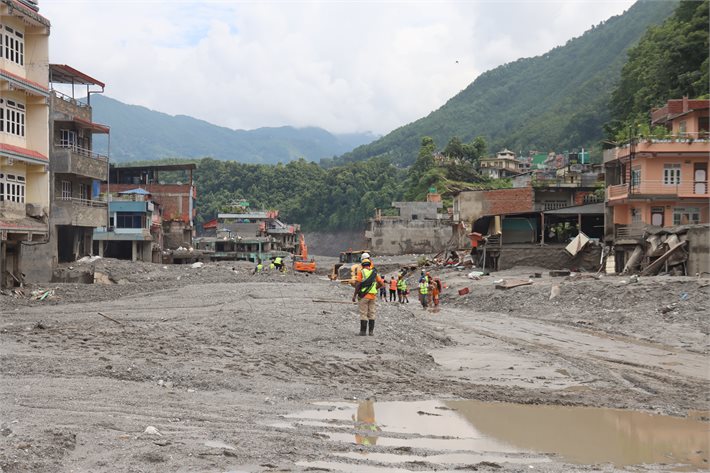
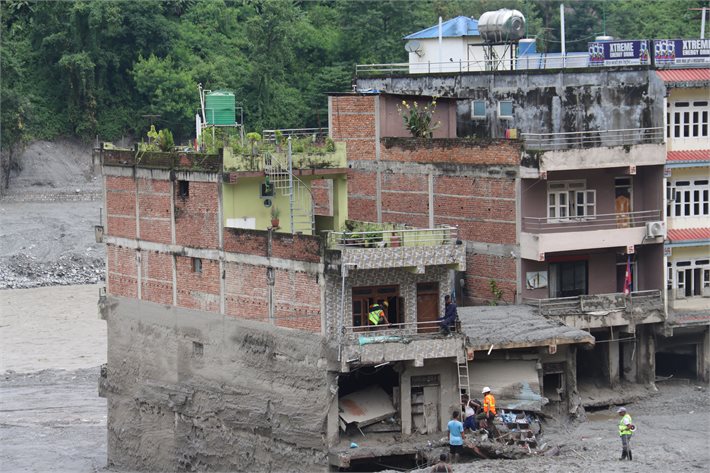
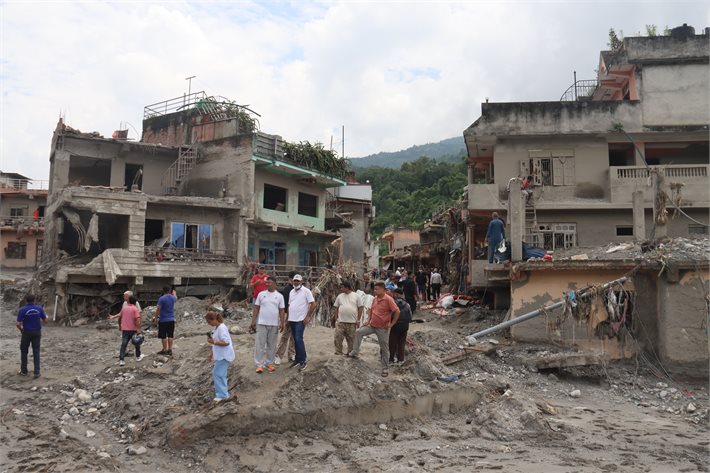
On 26 August, severe flooding and landslides struck the districts of Rasuwa, Nuwakot and Dhading, northwest of Kathmandu. The disaster has caused widespread damage to homes, livelihoods, roads and essential services.
Early reports indicate that 165 people have died and 35 motorable bridges have been damaged, while around 40–42 km of a key road corridor has been affected. These figures are preliminary and may change as search, rescue and verification continue.
For families already facing poverty, disability or discrimination, the impact of a disaster can be even greater.
The Leprosy Mission Nepal (TLM Nepal) is already working in the affected communities, providing leprosy treatment, healthcare and rehabilitation.
The Leprosy Mission is currently supporting 26 people newly diagnosed with leprosy across the three affected districts with ongoing treatment, alongside 55 people who have received care at Anandaban Hospital
In an initial welfare check of 18 people we serve in the affected areas, only 8 have been confirmed safe. 10 remain out of contact, with reports of lost shelter, food shortages, and disrupted essential services.
One of those caught in this disaster is Pasang Sherpa Lopchan, from Rasuwa.
Pasang has been receiving Multi-Drug Therapy for leprosy through Anandaban Hospital since 2023. When the floods struck, he learned that close relatives in Timure had been caught in the disaster and could not be reached.
Imagine the fear of not knowing whether the people you love are safe.
Pasang's story is being repeated across the affected communities. Families are waiting for news of loved ones, wondering whether their homes are still standing, and worrying about when they will once again be able to access food, shelter and healthcare.
Shovakhar Kandel, the Country Leader of the Leprosy Mission Nepal, shares:
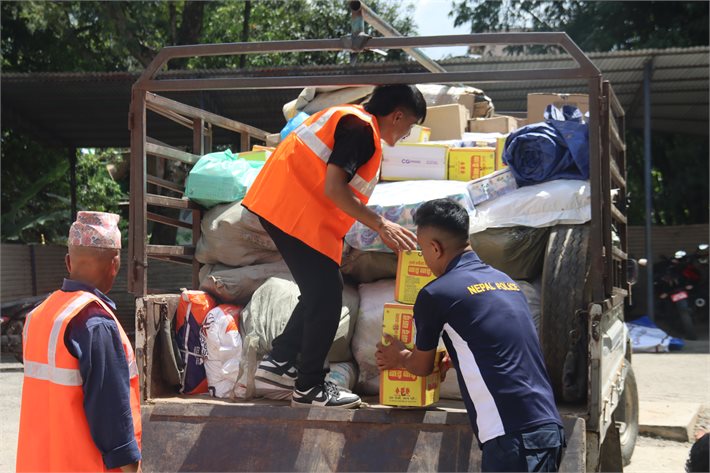
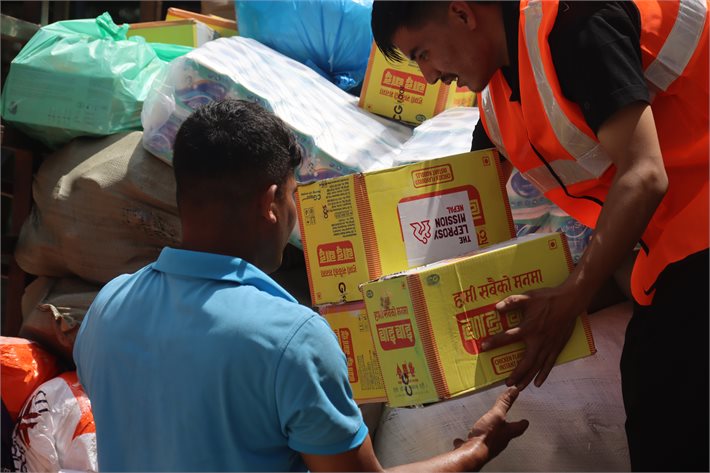
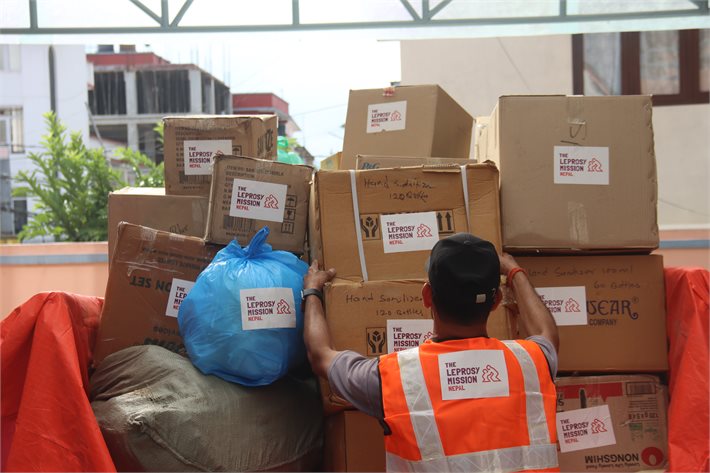
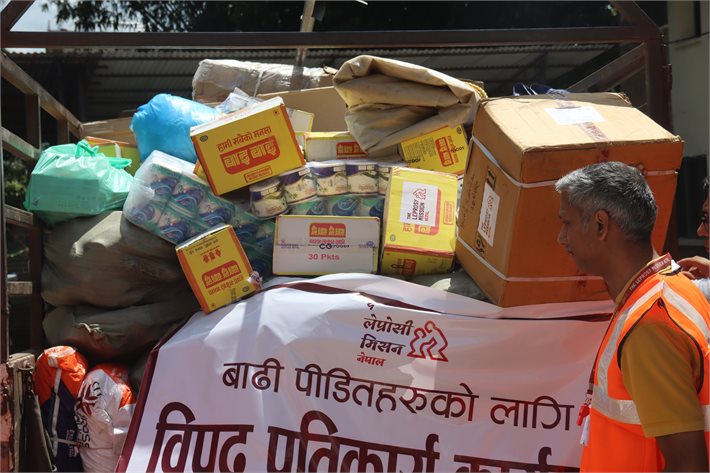
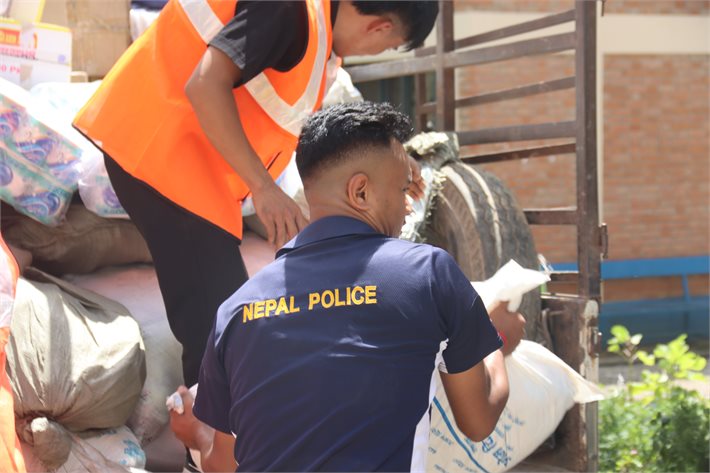
"The floods in Nepal have left all of us reeling, thousands of people are missing, and we aren't fully sure about the extent of the damage. As part of our emergency response, the Leprosy Mission Nepal is working closely with the Government of Nepal and has been on the ground to distribute critical protective equipment to Nepal police as they work on the frontlines of the emergency response. The needs on the ground are immense, and as the full scale of this disaster becomes clearer, we know that the response will need to continue well beyond these first days..."
“We ask our friends in New Zealand to stand with us as we respond to this crisis. Your support and prayers will go a long way in reaching families who have lost their homes, livelihoods, and in many cases, their loved ones."
The Leprosy Mission Nepal is working alongside the Government of Nepal's emergency response to provide targeted assistance to vulnerable families in the affected districts.
Emergency support will include essentials such as:
But the response needs to go beyond immediate relief.
For someone affected by leprosy or living with a disability, a disaster can create serious additional challenges. Flooding and displacement can interrupt treatment, prevent people from reaching healthcare, and damage assistive devices and self-care supplies.
Without ongoing care, wounds, ulcers and other complications can become much more serious.
TLM Nepal will provide healthcare, essential medicines, wound and ulcer care, self-care support, psychosocial support and referrals for people whose usual access to services has been disrupted.
For people with disabilities, the response will also include rehabilitation assessments, physiotherapy, replacement assistive devices, home-based rehabilitation and support for families and caregivers. Existing Self Help Groups will help identify vulnerable households and ensure people continue to receive follow-up care.
Emergency relief is vital, but for people living with disabilities, the challenges don’t end there. Flood-damaged roads can make it difficult to access food, essential supplies and healthcare. The loss or damage of assistive devices can make getting around even harder, while disrupted rehabilitation services can leave people without the ongoing support they need.
Through TLM Nepal's Community-Based Integrated Development (CBID) and rehabilitation programme, the Leprosy Mission response will include:
TLM Nepal has decades of experience providing specialised leprosy care, rehabilitation and community-based services across Nepal. Its established health teams, community networks and referral systems mean it can respond quickly and reach people who may otherwise struggle to access mainstream emergency services.
As the floodwaters recede, the need will continue.
Families will need time to rebuild their homes and livelihoods. Roads and health services may take even longer to restore. And for people already living with poverty, disability or discrimination, there is a real risk of being left behind.
Your support can help provide more than emergency relief. It can help protect health, restore dignity and give people affected by leprosy and disability the opportunity to recover and rebuild.
At this challenging time, your prayer support is especially valued.
Please pray:
- For the families still searching for missing loved ones, and for those who are grieving
- For the Leprosy Mission Nepal staff and volunteers working in difficult and dangerous conditions
- For wisdom, strength and provision as emergency relief and longer-term recovery efforts continue
- For roads and access to be restored so essential care can reach isolated communities
- For healing, restoration and hope for the families and communities affected
Together, we can make sure that people affected by leprosy and other vulnerable families are not left behind in Nepal's hour of need.
 |
 |
 |
 |
 |
 |
 |
 |